The right AI consultant turns down work that won't deliver ROI, points you at the boring 30 to 45 minute task that's eating your day, and stays around to run the system after they build it. Get those three things and you have a partner. Miss them and you have another tool sitting on a shelf, plus an invoice to explain to the board.
There is a lot of noise in the AI market right now. Most of it is from people who learned ChatGPT last week and added "AI Consultant" to their LinkedIn headline.
What does a good AI consultant actually do?
A good AI consultant does three things, in this order:
- Tells you whether AI fits your problem
- Builds the system to deliver a measurable outcome
- Manages it after launch so it keeps working
That last one matters more than people realise. AI models change every few months. APIs shift. Edge cases pop up that nobody saw on day one. If your consultant disappears after delivery, you have bought a system that will degrade until someone rebuilds it from scratch.
Every system we ship at Blue Seas is a managed service. We run it, optimise it, and fix what breaks. You get the outcome and nothing new to run. That is the difference between an AI consultant and a freelance builder with a fancy title.
A good consultant also knows when to say no. AI is not a silver bullet, and pretending otherwise is how the whole industry ends up with a bad name.
What are the red flags?
Watch for these when someone pitches you AI:
- They lead with the tool. If the first words out of their mouth are "we use [insert flashy platform]", run. The right starting question is what you are trying to fix.
- They promise specific savings before looking at your business. Anyone quoting "30% efficiency gains" in the first meeting has not done the maths on your firm. They are reading from a script.
- There is no managed service. If they hand over a system and walk, you are about to become an unpaid AI engineer.
- They cannot show real results. Anonymous case studies, vague stats, "a client in the legal industry". If they cannot name names or share specifics with permission, the wins probably are not theirs.
- The pricing is hourly. Hourly billing rewards slow work and punishes good thinking. Value-based pricing aligns the consultant with your outcome.
- Everything is "AI-powered". Most tools out there are ChatGPT with lipstick. A good consultant knows the difference between a custom build and a $20-a-month subscription with a fresh logo on it.
One of these on its own is a signal to ask more questions. Two or more and you should walk.
What questions should you ask before signing anything?
Ask these before you sign:
- What ROI are you targeting and how will you measure it? If they cannot answer this in dollars and hours, walk.
- Who will run this system in six months? The answer should not be "you."
- What happens when the AI gets something wrong? Every AI gets things wrong sometimes. The system needs a human checkpoint where it matters and a feedback loop so it keeps improving.
- Can I speak to a client you have built for? Ask for someone who uses the system. Listen for whether they describe the consultant as helpful or as a hassle.
- What is the smallest thing we could test first? A good consultant starts small, proves the model, then scales.
How do you know if the ROI is real?
Real ROI is a calculation you can do on the back of an envelope.
Find the task. Multiply hours saved by hourly rate. That is your floor. If that number does not justify the build several times over, the project should not exist.
We call this the Productivity Cost Calculator. It decides whether Blue Seas takes on a project. If you cannot show where the hours come from or what they cost, we work it out together before any code is written.
We built two AI systems for a 20-person Sunshine Coast law firm. One files emails into Smokeball automatically. The other turns client consultations into file notes and letters.
The figures come from user counts, email volumes and meeting counts. Any consultant pitching you should be ready to meet the same test.
Should you hire an AI consultant or build in-house?
It depends on size, complexity, and whether you have engineering on the team. Rules of thumb:
- Under 10 staff: Hire a consultant. The economics of an in-house build do not work until you have repeated use cases.
- 10 to 50 staff, no engineering team: Hire a consultant who offers managed services. You do not want a system you cannot maintain.
- 50+ staff with an engineering team: A hybrid works well. The consultant designs and builds the first systems, your team learns by doing, and over time you bring more in-house.
Either way, you are buying judgement, process, and someone to call when it breaks at 9pm on a Thursday.
Where do you actually start?
Find the task in your business that takes 30 to 45 minutes a day that nobody wants to do. Email filing. File notes. Quote generation. Repetitive, pattern-based work.
That is the 30-45 Rule. Start there. Prove the model. Build trust with your team. Then expand. AI is like a junior employee you just hired. Clever and eager, but you have to show it the ropes one job at a time. You do not hand a new grad the corporate credit card on day one.
Remember the Amplifier Test. AI amplifies whatever process it is pointed at. Point it at a solid workflow and you amplify success. Point it at chaos and you get faster chaos. A good consultant will spot the difference before they take your money.
The one thing that matters most
If it works, the consultant you pick will be in your business for a long time. They will see your data, your team, your workflows and your reputation. Pick the one who tells you the truth when it costs them the engagement.
Helpful first. Sales never.
Update, 25 August 2026. One more question for the shortlist. What AI is already running in your business without a policy? Most businesses have some. Shadow AI: The AI Already Running in Your Business covers what it looks like, why banning it fails and how to find yours in an afternoon.
Book Your AI Scan
20 minutes. We'll look at your workflows and tell you whether AI makes sense for your business, and where it would pay back first.
Book Your AI Scan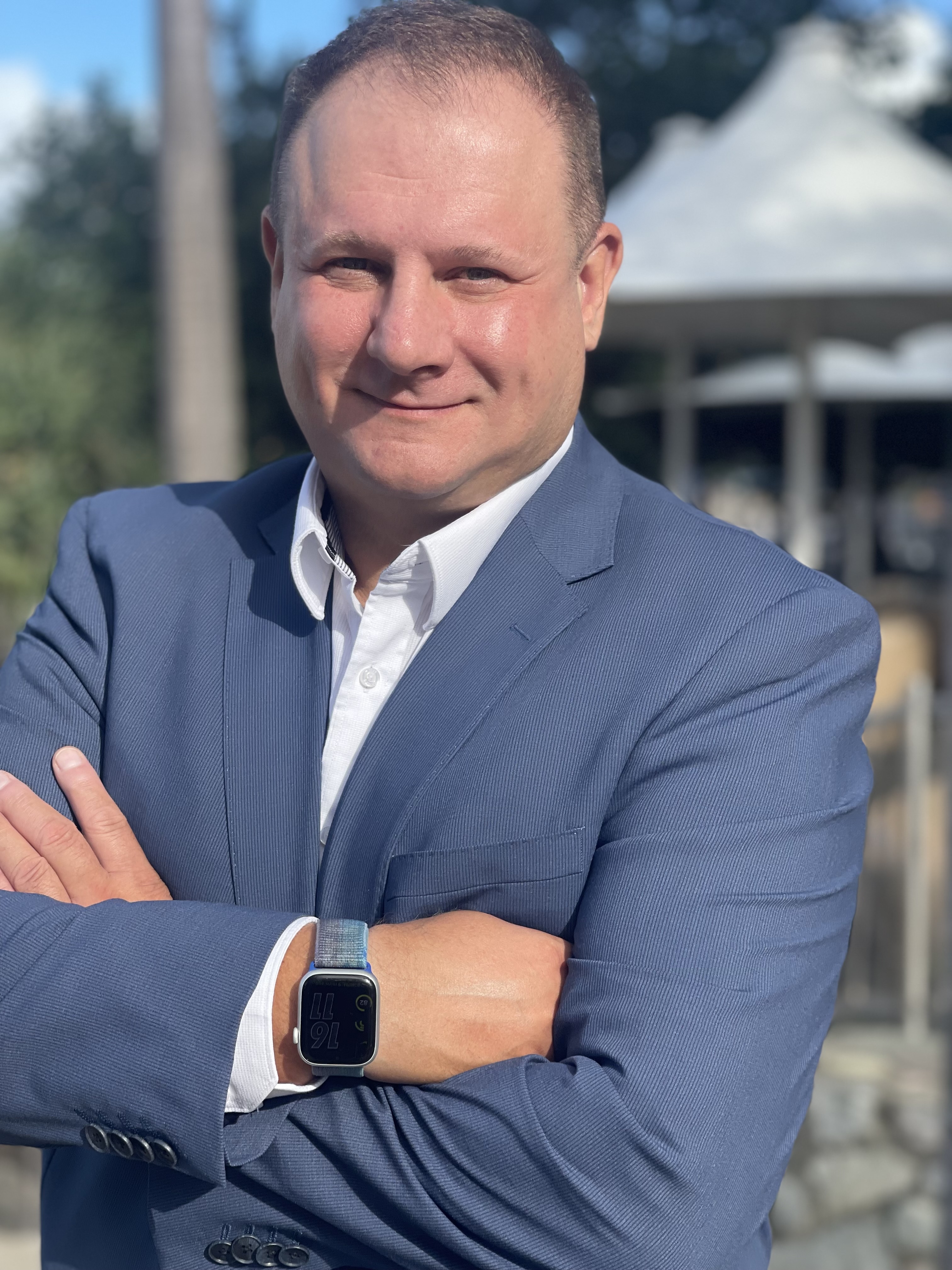
Bart Puszko
Founder of Blue Seas AI. Queensland Government AI Mentor since 2024. 2025 Sunshine Coast Business Award Winner for Advanced Technology. 16 years in financial crime, risk and consulting for global banks before moving to AI.